






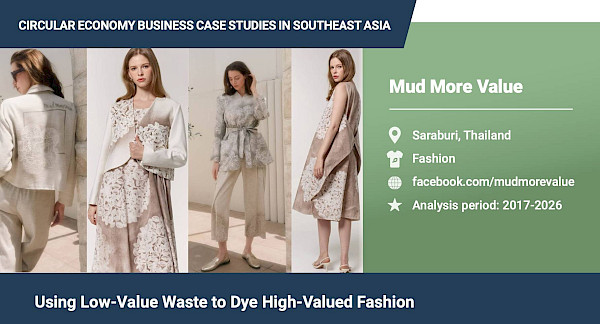
Using Low-Value Waste to Dye High-Valued Fashion
Production of slow fashion garments and home textiles, using natural dying with extracts from cow manure and coffee grounds.
Read More about Using Low-Value Waste to Dye High-Valued Fashion
Production of slow fashion garments and home textiles, using natural dying with extracts from cow manure and coffee grounds.
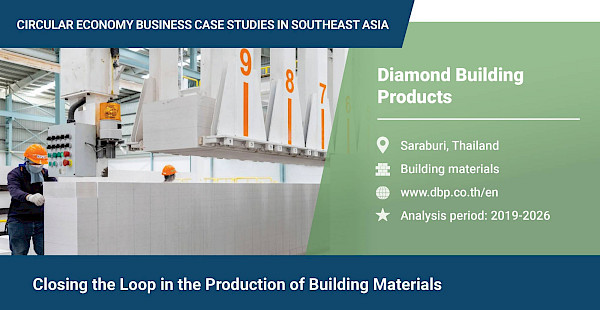
Read More about Using Low-Value Waste to Dye High-Valued FashionEfficient and integrated production of roof tiles, boards, ceiling panels and AAC blocks with reuse of waste between production lines, water and energy recovery, and deployment of customised efficient...
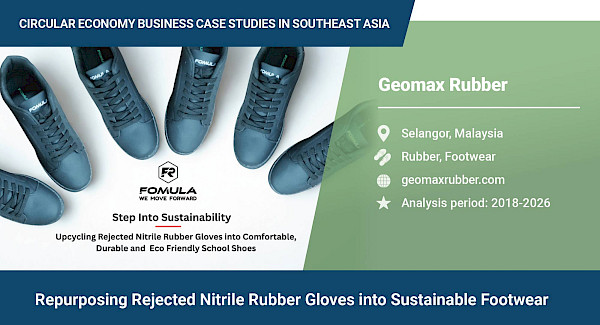
Read More about Closing the Loop in the Production of Building MaterialsConversion of rejected nitrile rubber gloves from the glove making industry into anti-slip outer soles, (safety) shoes, sandals, and flip flops using novel, proprietary technology.
Read More about Repurposing Rejected Nitrile Rubber Gloves into Sustainable FootwearEfficient factory-level production of prefabricated construction elements and sandwich wall panels, using lower carbon hydraulic cement and with reuse of excess concrete for secondary products (e.g. p...
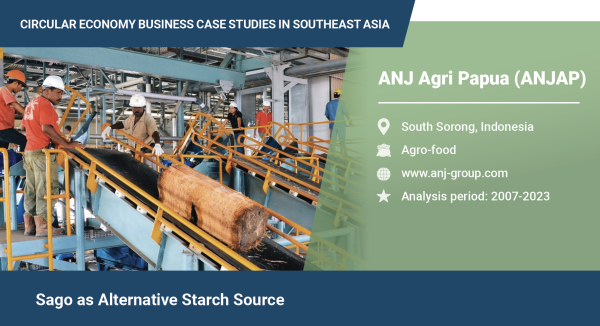
Read More about Resource Efficiency through PrefabricationThe sago plantation and its processing supports the circular economy transition by making efficient use of natural resources (resource efficiency), and by recovering biomass waste (resource circularit...
Read More about Sago as Alternative Starch SourceRecovery of customer premise equipment (modems, cables, power units, etc.) for testing and subsequent reuse or refurbishment for successive customer use cycles. Use of geothermal power in data centre ...
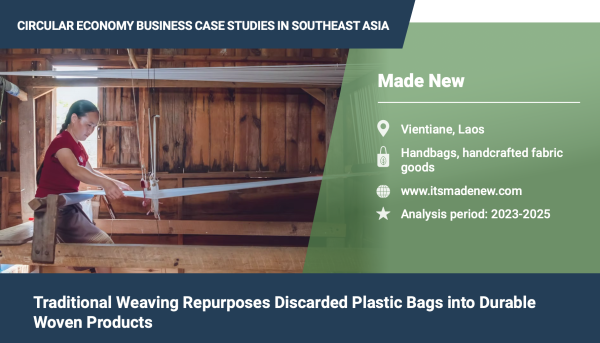
Read More about Refurbishment and reuse of customer devicesProduction of recycled plastic thread from discarded plastic bags for use in handloom weaving with a cotton warp to create totes, bags, and other woven products.
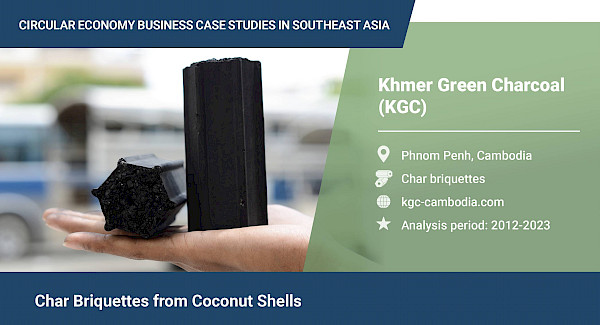
Read More about Traditional Weaving Repurposes Discarded Plastic Bags into Durable Woven ProductsProduction of char briquettes from waste coconut shells, that are cleaner and more energy efficient than wood charcoal in their use for cooking.
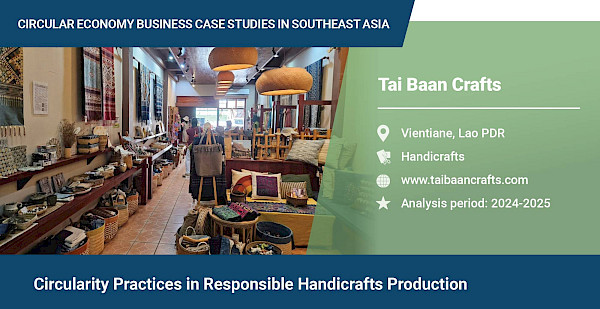
Read More about Char briquettes from coconut shellsUses natural fibres and recovered aluminium, applies cleaner and natural dyeing techniques with fuel efficient stove, and uses re-fab techniques to repurpose handwoven textile remnants into patchwork ...
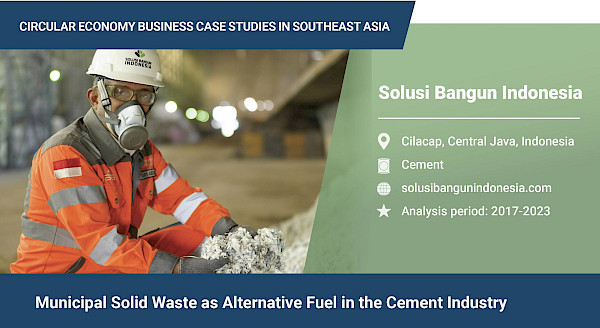
Read More about Circularity Practices in Responsible Handicrafts ProductionUse of biomechanically processed municipal solid waste and other industrial wastes as alternative fuel for cement making.
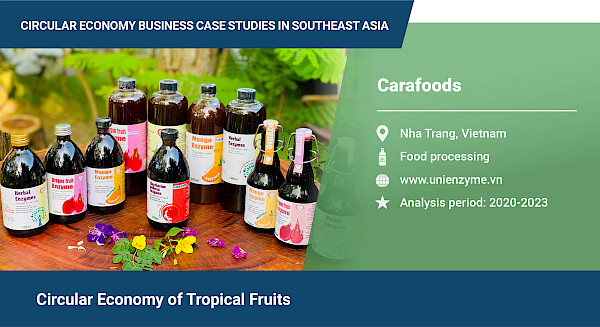
Read More about Municipal solid waste as alternative fuel in cement industryProduction and extraction of fruit enzymes from edible and non-edible parts of mangos and other tropical fruits and use of fruit seeds and skins for useful byproducts, such as personal care products a...
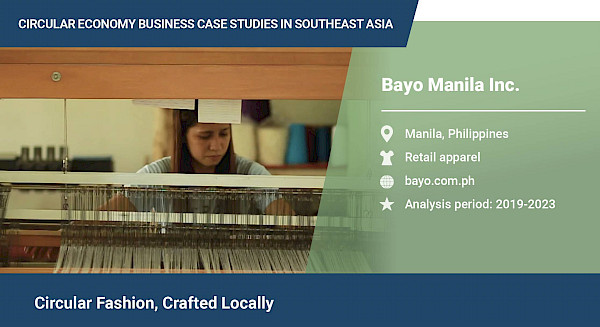
Read More about Circular economy for tropical fruitsUse of Philippine silk, cotton and other natural fibres, improved energy and water efficiency in production, minimization and reuse of fabric offcuts directly in products or as supplemental wefts by t...
Read More about Circular fashion, crafted locally